

How we brought Responsible Innovation into a school’s curriculum
St. Joseph Institution (SJI), a secondary school based in Singapore, has a Design Thinking module that all students take and complete. Over the years, they’ve been operating the module the same way, which has led them to try to explore a new way of teaching the subject. That’s where we come in. The institution approached us through one of their senior teachers, via our CEO, Tiziana Tan.
The mission
Our Starting Point
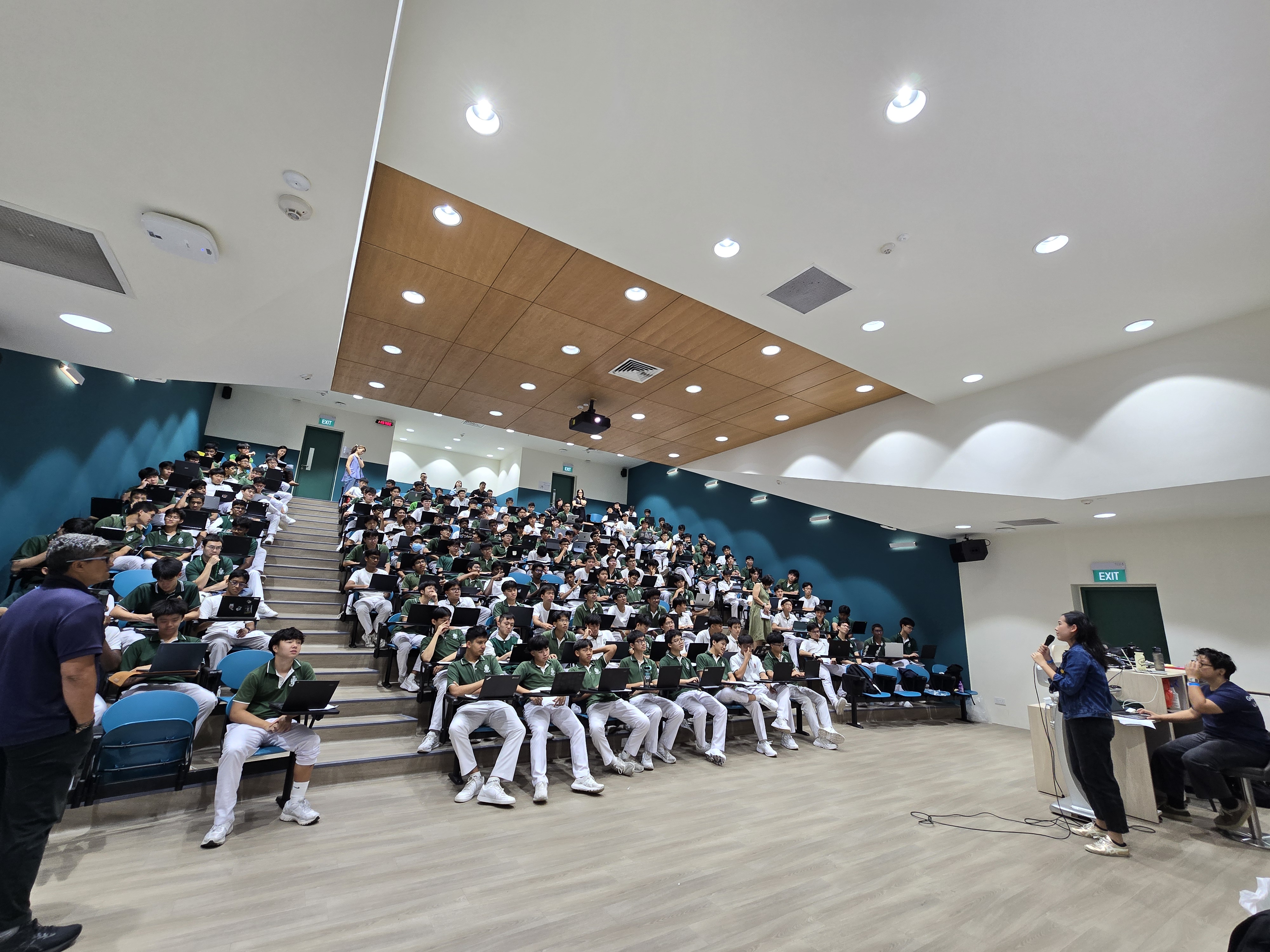
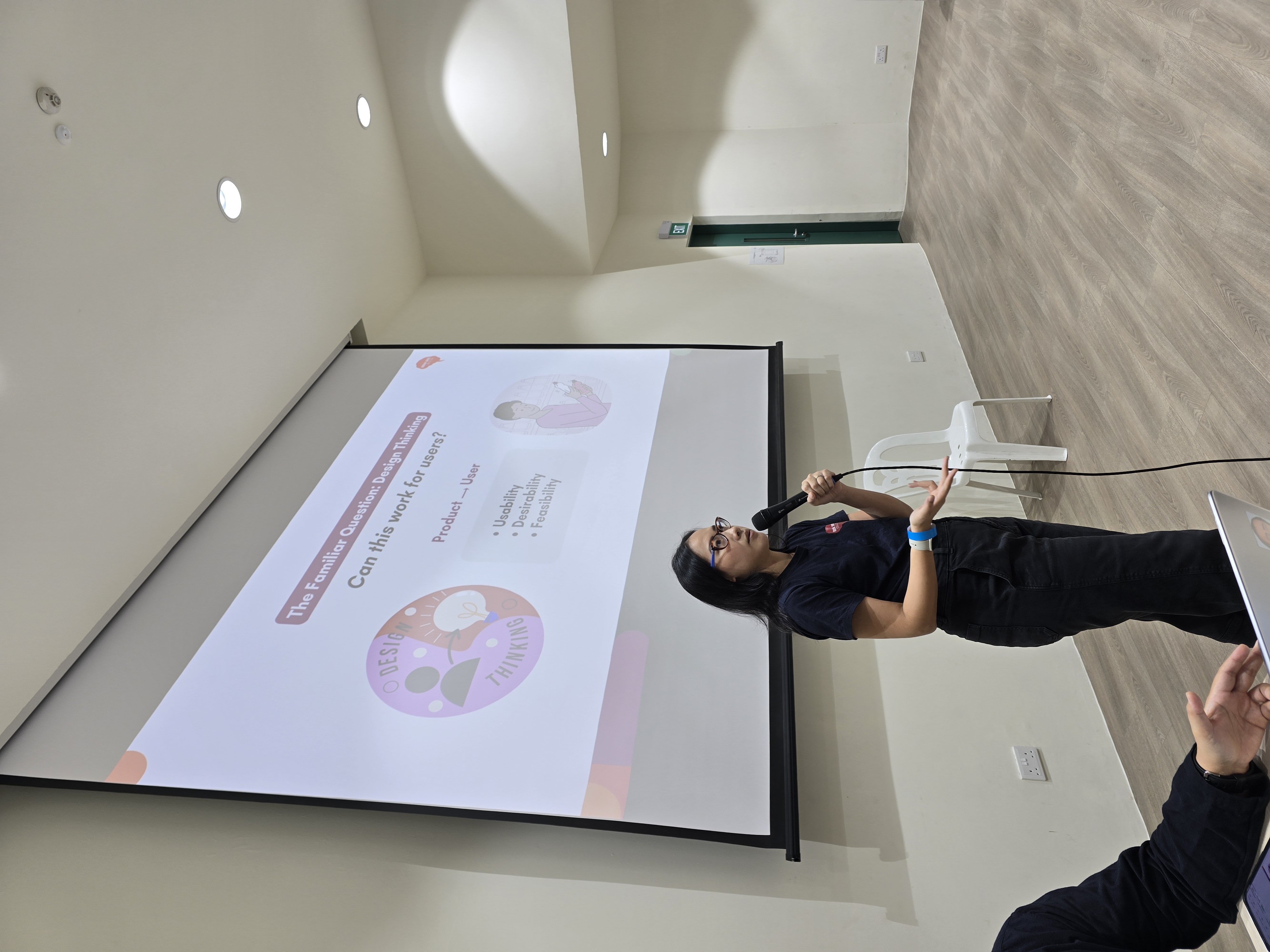
We don't want these workshops to be too overwhelming for the young students, and make sure they have ample time to digest the information. With that in mind, we proposed a 2-session Design Thinking (DT) and Responsible Innovation (RI) workshop for the students to learn how these two complement one another. It also allowed them to do their own homework reading before the next session.
The BJC Shift
To ensure that the students walk away with applicable knowledge on both Design Thinking and Responsible Innovation, we build the workshop around our RI framework and engagement rooted in our many years of running programmes and workshops.
The Brain Juice Approach
What We Did
For the workshop, we made sure that the sessions were as hands-on as possible, despite the short duration of each session. We also made sure that the topic was approachable and not too complex to make it easy for students to understand and apply in those 2 hours of workshops.
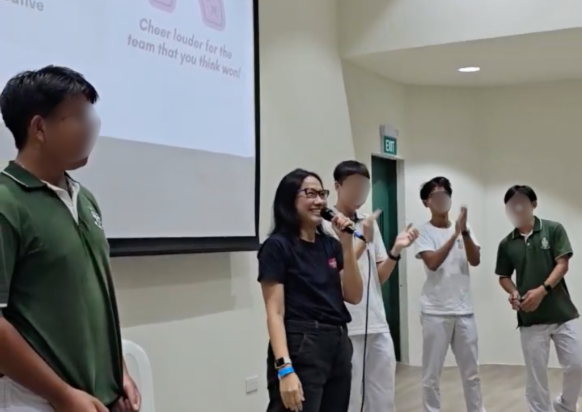
We had local case studies on how the DT and RI frameworks could be applied in a practical scenario to paint a clearer picture for students, especially when more theoretical concepts like these two can be tricky to grasp. To make sessions more engaging, we also had strategic segments presented as trivia questions as a ‘quick mental break’ from theory.
Our Role
Keeping this On Our Radar
We run our projects and programmes through our Responsible Innovation Framework: RADAr. The framework allows us to ensure that we’re creating solutions for partners that are sustainable and effective. The framework goes like this: Reflect - how we review our activities, commitments and processes to understand who is currently affected by our actions, both negatively and positively, Anticipate - how we anticipate the potential impacts of our product and develop strategies to cope with uncertainties, Diversify - how we actively involve a diverse, broad range of voices and values through participation, deliberation, and accountability, And Adapt & Respond: How did you adjust to challenges and perspectives so we can account for the unique contributions of different communities?
Our impact
How was RADAr used in this project?
- Reflect: We had a look through at our existing curriculum and thought about how would this be 'digested' by high-schoolers, ensuring that it is simple enough for them to understand the concept and also relevant enough for them to make applications. We realised that high schoolers are very used to having accompanied worksheets to complement their learning, hence we created a custom worksheet on Design Thinking and Responsible Innovation just for them (which includes case studies so that they can draw on how the application is being used).
- Anticipate: We already anticipated problems like attention span - hence we made the learning into bite-sized and very much hands-on/application based so that the curriculum is not too overly theoretical to the point where we lose their attention or interest in the subject. To motivate the students in answering questions, we also prepared goodies as tokens to incentivise their participation — which totally worked and they gave really constructive answers.
- Diversify: We used various platforms for interactions, but not to the point where it is restrictive for those students who do not own or bring bigger devices like laptops. We made them group for the interactive segments of the curriculum so that no student is being left out despite no having/being able to afford such devices.
- Adapt and respond: We noticed that a specific group of students abused the freedom in using devices, and writing inappropriate comments/remarks when the platform used is being flashed on screen. For the second segment of the workshop series, we removed this privilege from them (yet still retaining the interactive portions) so that unintended actions cannot take place.
Ripples & Results
We heard great things from the teachers, who expressed their satisfaction and delight in the sessions. The students also shared how they felt that they benefited from the workshops because of how the different segments complemented each other.
Key Statistics & Measurable Results
1. Overall Participation: 109 students
2. 98% of participants have stated that they understand the DT and RI frameworks
3. 95.4% of students strongly internalised the complexity and nuance in real-world problem-solving.
4. 97.2% of students reported a high likelihood of applying critical thinking in real-life situations.
Reflections
"The biggest takeaway would be how RI is for everyone. So far, our past participants were university undergrads, postgrads and corporate staff. This is our first time running (a workshop) for secondary school students, and we are glad that RI was an approachable enough concept for them to comprehend and apply."- Syerifah Alsagoff, Senior Portfolio Manager
Photo gallery
.jpg)

More reads for you
.png)
.png)


Forget the Trade-off
Subscribe for inspiration and insights on doing well while doing good. No spam, we promise!